

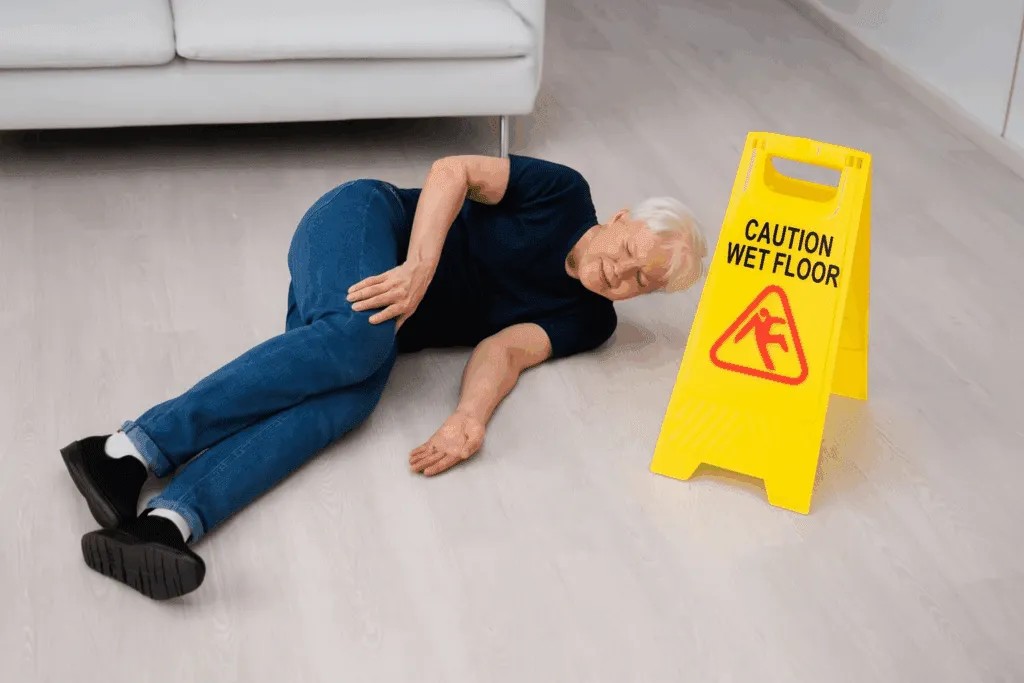
Slip and fall accidents in Florida are surrounded by misconceptions that can harm injured individuals, delay medical care, and weaken legitimate legal claims. These myths spread easily because many people underestimate how complex premises liability law truly is. In reality, Florida slip and fall cases require detailed evidence, clear documentation, and a thorough understanding of how businesses must act to protect visitors. Law firms like Chalik and Chalik, which represent injured individuals exclusively, routinely correct these misunderstandings to ensure victims do not make decisions based on misinformation. Understanding the truth behind these myths empowers victims to protect their rights and pursue fair compensation under Florida law.
The first and most dangerous myth is the belief that a person must be visibly injured to have a valid claim. Many Florida slip and fall victims walk away with no obvious injuries, only to discover severe complications later. Soft tissue injuries, torn ligaments, spinal disc damage, and hairline fractures often develop hours or days after the fall. Adrenaline masks pain, and swelling can be delayed. Victims who assume “I’m fine” may avoid medical care, giving insurers an opportunity to argue that the injury was unrelated. This pattern is common in supermarket-related claims, including those discussed in Publix slip and fall cases, where symptoms frequently emerge long after the initial incident.
Another widespread myth is that a spill must exist for a long time before a business can be held responsible. Florida law requires victims to demonstrate that the business had actual or constructive knowledge of the hazard, but this does not mean the spill must exist for hours. Constructive knowledge can be proven through circumstantial evidence such as footprints in the liquid, cart tracks, size of the spill, or recurring environmental issues. If surveillance shows that employees walked past the hazard without addressing it, the business can still be liable, even if the spill existed for less time than people assume. Courts evaluate the circumstances, not arbitrary timeframes.
A third myth is that warning signs automatically absolve a business of responsibility. Warning signs help communicate hazards, but they are not a blanket shield. Signs must be placed correctly, clearly visible, and positioned close enough to the hazard to provide effective notice. A sign placed off to the side, behind a display, or far from the spill does not meaningfully warn customers. Additionally, a sign does not excuse a business from cleaning the hazard in a timely manner. If a business uses signs as a substitute for proper maintenance, liability still exists. Many Florida cases reveal that signs were placed only after someone fell, which defeats their purpose entirely.
Another common misconception is that victims who were “not watching where they were going” cannot recover compensation. Florida’s modified comparative negligence standard allows for shared responsibility, but this does not eliminate a business’s duty to maintain safe premises. Clear liquids on glossy floors, poorly lit corners, and moisture from rain or condensation can be nearly impossible to detect. Even a cautious person can fall when the environment is unsafe. Businesses cannot rely on this myth to avoid accountability. Courts evaluate visibility, foreseeability, and hazard severity—not whether the victim was glancing at a shelf or holding a shopping list.
Some people also believe that only catastrophic injuries justify pursuing a claim. In reality, slip and fall injuries often create long-term consequences that are not immediately obvious. Chronic back pain, limited mobility, nerve damage, and expensive physical therapy can result from what appears to be a minor fall. Medical bills, lost wages, and ongoing pain all factor into compensation. Even injuries that seem manageable at first can escalate into long-term disability if left untreated. Victims should never dismiss their injuries based solely on how they feel immediately after the fall.
Another myth is that businesses will always have documentation proving they acted responsibly. Many believe that large retailers maintain flawless inspection logs and strict safety procedures. However, real cases often reveal major inconsistencies. Logs may appear identical across days, indicating they were filled out mechanically rather than based on actual inspections. High-risk areas may go unmonitored for long periods. Surveillance footage may show employees passing hazards without intervening. These inconsistencies frequently appear in national retail cases, including issues highlighted in Walmart slip and fall litigation, where documented procedures sometimes fail to match reality.
Another damaging myth is that accepting the first settlement offer is the best way to “get it over with.” Insurance companies rely on this misconception. Early settlement offers are almost always far lower than the true value of the claim because they are made before medical evaluations are complete. These offers often fail to account for long-term pain, lost earning capacity, or future treatment needs. Once a settlement is accepted, the victim cannot pursue additional compensation—even if their condition worsens. Taking time to evaluate injuries and consult with experienced attorneys is essential.
Finally, there is a myth that slip and fall cases are simple and do not require legal help. In reality, Florida slip and fall claims are among the most evidence-intensive injury cases. Proving constructive knowledge, securing surveillance footage, obtaining witness statements, analyzing inspection records, and presenting medical evidence all require strategic expertise. Businesses and insurers typically work quickly to protect themselves. Without skilled representation, victims may miss critical opportunities to secure the compensation they deserve.
By understanding the truth behind these myths, Florida slip and fall victims can protect their rights and avoid costly mistakes. Through evidence-based strategies and strong legal advocacy, Chalik and Chalik ensure that victims receive fair treatment and full recognition of the harm they suffered. Dispelling myths is the first step toward achieving justice under Florida law.