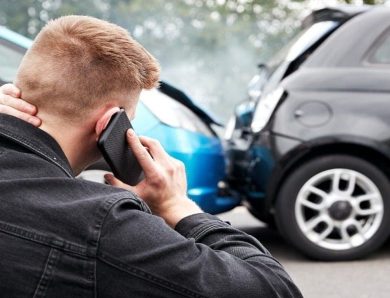
Car accidents occur every day for a variety of reasons, and understanding the causes behind these incidents is essential when determining legal responsibility. When a crash happens, identifying the factor that led to the collision plays a significant role in deciding liability and compensation. Legal claims often rely on evidence showing how negligence or unsafe behavior contributed to the accident. By examining the most common causes of vehicle collisions, it becomes easier to understand how these factors influence injury claims and insurance disputes.
Distracted Driving and Its Legal Consequences
One of the leading causes of modern car accidents is distracted driving. With smartphones, navigation systems, and other in-car technology becoming more common, drivers are increasingly tempted to divide their attention while on the road. Activities such as texting, checking notifications, eating, or adjusting music can divert a driver’s focus for just a few seconds, which may be enough to cause a serious crash.
In legal claims, distracted driving often becomes a central issue when determining fault. If evidence such as phone records, witness statements, or traffic camera footage shows that a driver was distracted at the time of the accident, that behavior can strongly support an injury claim. Demonstrating that a driver failed to pay proper attention to the road can help establish negligence and influence the outcome of compensation requests.
Speeding and Reckless Driving
Speeding remains another major contributor to vehicle collisions. Driving above the speed limit reduces reaction time and increases the severity of an impact when accidents occur. In addition to speeding, aggressive driving behaviors such as tailgating, unsafe lane changes, and racing through traffic can significantly increase the likelihood of a crash.
From a legal perspective, speeding can play a crucial role in determining liability. Police reports, accident reconstructions, and skid mark analysis can all be used to determine whether a driver was traveling at an unsafe speed. If speeding contributed to the accident, it can strengthen the injured party’s claim by demonstrating that the at-fault driver failed to operate their vehicle responsibly.
Driving Under the Influence
Driving under the influence of alcohol or drugs continues to be one of the most dangerous behaviors on the road. Impaired drivers often have reduced reaction times, poor judgment, and difficulty maintaining control of their vehicles. These factors can lead to severe and sometimes fatal accidents.
When impairment is involved in a collision, it significantly impacts legal claims. Evidence such as breathalyzer results, toxicology reports, or police observations may show that a driver was under the influence at the time of the crash. In many cases, this type of evidence can make liability clear and may also lead to additional legal penalties beyond civil claims.
Poor Weather and Road Conditions
Not every accident is caused solely by driver behavior. Weather conditions such as heavy rain, fog, or ice can make roads hazardous and reduce visibility. Additionally, poorly maintained roads, missing signage, or damaged infrastructure can contribute to collisions.
In legal claims, these conditions are carefully examined to determine whether the accident resulted from unavoidable circumstances or driver negligence. Even in poor weather, drivers are expected to adjust their speed and behavior to match road conditions. Failure to do so can still result in liability if it is determined that a driver acted carelessly despite the risks.
The Role of Evidence in Determining Liability
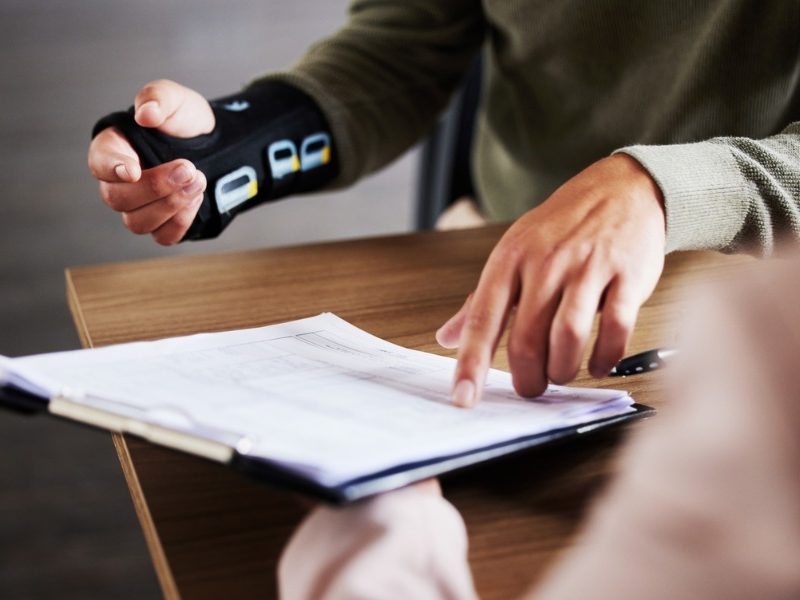
When an accident occurs, the cause of the crash must be clearly established in order to pursue a successful claim. Evidence such as police reports, photographs of the accident scene, medical records, and witness testimony often helps determine what happened. Investigating the root cause of the accident allows legal professionals to demonstrate how negligence contributed to injuries or property damage.
For individuals seeking guidance after a collision, professionals such as https://hendersonnccaraccidentlawyer.com/ can provide useful information about accident claims and the legal process. Access to reliable legal insight can help accident victims understand their rights and the steps involved in seeking compensation.
Understanding How Causes Influence Claims
Each accident has unique circumstances, but the underlying cause often shapes how the legal process unfolds. Whether the crash involved distracted driving, speeding, impairment, or hazardous road conditions, identifying the primary cause is essential for determining responsibility.
Legal claims depend on proving that another party’s actions led to the accident and resulting injuries. By carefully analyzing the factors behind a crash and gathering the appropriate evidence, accident victims can pursue fair compensation while ensuring that accountability is established for unsafe driving behavior.