

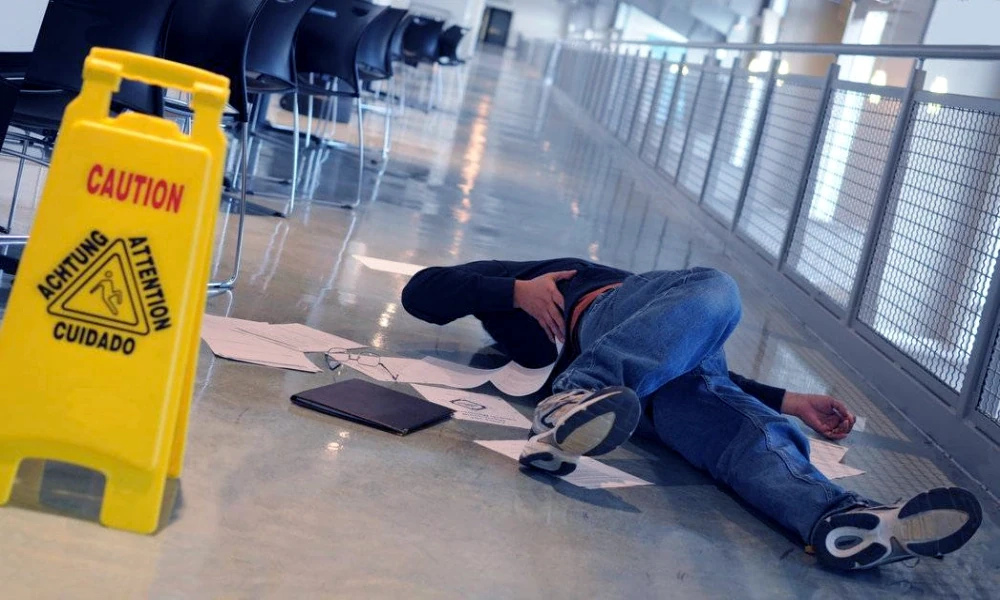
Slip and fall accidents can happen in seconds, but their consequences can last for months-or even a lifetime. From broken bones to traumatic brain injuries, these incidents often lead to significant medical expenses, lost income, and emotional distress. If you’ve been injured in such an accident, understanding who may be legally responsible is the first step toward protecting your rights and pursuing fair compensation.
In this article, we break down how liability is determined in a slip and fall case, what legal options may be available, and why consulting a slip and fall lawyer or a qualified premises liability attorney can make a critical difference in your claim.
Understanding Slip and Fall Accidents and PremisesLiability
A slip and fall accident typically occurs when a person is injured on someone else’s property due to unsafe or hazardous conditions. These cases fall under an area of law known as premises liability, which holds property owners and occupiers responsible for maintaining reasonably safe environments.
In an Alabama slip and fall claim, for example, the injured party must generally prove that the property owner failed to exercise reasonable care in maintaining the premises or warning visitors about dangerous conditions.
Common examples of hazardous conditions include:
- Wet or slippery floors without warning signs
- Uneven sidewalks or broken pavement
- Poor lighting in stairwells or parking lots
- Loose rugs or floor mats
- Spilled substances in grocery stores or restaurants
- Hidden hazards such as uncovered holes or debris
When these conditions are ignored or not properly addressed, they can create serious risks for visitors.
Who May Be Responsible for a Slip and Fall Injury?
Determining liability in a slip and fall case depends on who controlled the property and whether they acted negligently. Multiple parties may potentially be held responsible in a property injury lawsuit, depending on the circumstances.
1. Property Owners
Property owners are often the primary defendants in slip and fall claims. They have a legal duty to maintain safe premises and address known hazards promptly. If they fail to repair dangerous conditions or warn visitors, they may be held liable.
2. Business Operators or Tenants
In commercial settings, responsibility may fall on tenants or business operators rather than the building owner. For example, a grocery store leasing space is typically responsible for keeping aisles clean and safe.
3. Property Managers or Maintenance Companies
If a third-party management company is responsible for inspections, cleaning, or repairs, they may share liability if negligence contributed to the accident.
4. Contractors or Service Providers
Construction crews, cleaning services, or maintenance contractors can also be held accountable if their actions or negligence created unsafe conditions.
Legal Implications of Slip and Fall Claims
To succeed in a premises liability case, the injured party must typically prove several key legal elements:
- The defendant owed a duty of care to the injured person
- That duty was breached through negligence or inaction
- The breach directly caused the accident
- The victim suffered actual damages (medical bills, lost wages, etc.)
In many jurisdictions, including Alabama, comparative negligence rules may apply. This means compensation could be reduced if the injured person is found partially at fault for the accident.
For example, if someone was texting while walking and did not notice a clearly marked hazard, their recovery may be affected.
Because these legal standards can be complex, working with a premises liability attorney is often essential for building a strong case.
Rights of Slip and Fall Victims
If you have been injured due to unsafe property conditions, you may have the right to pursue compensation through a property injury lawsuit. Victims are generally entitled to seek damages for both economic and non-economic losses.
Potential rights may include:
- The right to seek payment for medical expenses (past and future)
- Compensation for lost wages and reduced earning capacity
- Recovery for pain and suffering
- Coverage for rehabilitation or long-term care needs
- In some cases, punitive damages for extreme negligence
It is important to act quickly, as personal injury claims are subject to strict filing deadlines, known as statutes of limitations. Missing these deadlines may result in losing the right to recover compensation altogether.
Common Compensation Available in Slip and Fall Cases
Every case is unique, but compensation in a slip and fall injury claim may include:
- Emergency room and hospital bills
- Physical therapy and rehabilitation costs
- Medication and medical equipment
- Lost income during recovery
- Loss of future earning potential
- Emotional distress and reduced quality of life
An experienced slip and fall lawyer will carefully evaluate the full impact of your injuries to ensure no category of damages is overlooked.
How a Slip and Fall Lawyer Can Help
Navigating a premises liability claim without legal guidance can be overwhelming, especially when dealing with insurance companies that often attempt to minimize payouts. A skilled attorney plays a crucial role in protecting your rights and strengthening your case.
A premises liability attorney can assist by:
- Investigating the accident scene and gathering evidence
- Obtaining surveillance footage or maintenance records
- Interviewing witnesses
- Consulting medical experts to prove injury severity
- Negotiating with insurance companies
- Filing a lawsuit if a fair settlement is not offered
In an Alabama slip and fall claim, legal representation can be particularly valuable due to the state’s comparative fault rules and evidentiary requirements. An attorney ensures that your case is presented clearly and persuasively.
Why Legal Representation Matters
Insurance companies often try to argue that slip and fall injuries were caused by personal carelessness rather than unsafe conditions. Without strong evidence, victims may receive far less compensation than they deserve.
Having a dedicated legal advocate ensures:
- Proper valuation of your claim
- Protection against unfair blame
- Stronger negotiation leverage
- Compliance with legal deadlines and procedures
Ultimately, legal representation levels the playing field and allows injured victims to focus on recovery instead of legal stress.
Conclusion: Protect Your Rights After a Slip and Fall Injury
Slip and fall accidents may seem minor at first, but they can lead to serious and lasting consequences. Understanding who may be responsible-whether it is a property owner, business operator, or maintenance company-is essential in determining your legal options.
If you have been injured in a hazardous property condition, you may be entitled to compensation through a property injury lawsuit. However, proving liability requires strong evidence and a clear understanding of premises liability law.
Speaking with a knowledgeable slip and fall lawyer or experienced premises liability attorney can help you understand your rights, build a strong case, and pursue the compensation you deserve.
Don’t wait until it’s too late. If you or a loved one has suffered a slip and fall injury, seek legal guidance today to protect your future and ensure your voice is heard.