


Understanding Workplace Compliance and Legal Protection
The modern workplace, in June 2026, presents a complex web of legal and ethical requirements. For any organization, understanding “workplace compliance and legal protection” is not merely a bureaucratic task. It is a fundamental necessity for sustainable operations and employee well-being. Failure to meet these standards can result in significant financial penalties, reputational damage, and operational disruptions.
In this extensive guide, we will delve into the critical aspects of workplace compliance. We will explore its definition, identify its main types, and detail the crucial federal and state laws that shape it. Our discussion will also cover how employers can build a robust compliance culture, handle employee complaints effectively, and stay updated with evolving regulations. Employees who believe they have faced adverse treatment after reporting misconduct or exercising protected workplace rights may also seek guidance from experienced workplace retaliation lawyers to better understand the legal protections available to them. Together, these considerations are essential for protecting both businesses and their people.

Workplace compliance, at its core, refers to the processes, procedures, and policies organizations implement to ensure adherence to all applicable laws, regulations, internal policies, and ethical standards. It’s a dynamic field that encompasses everything from employee behavior and physical security to data privacy and safety protocols. Beyond simply ticking boxes, effective compliance is about embedding a culture of integrity and accountability throughout an organization.
For businesses, navigating the intricate landscape of legal and compliance issues is paramount. It’s a proactive approach to risk management, designed to safeguard against potential legal challenges, financial penalties, and reputational harm. Strong corporate governance hinges on a robust compliance framework, demonstrating a commitment to ethical standards and responsible operations. As we explore in more detail, understanding and implementing effective workplace compliance strategies is essential for protecting your business from legal risks.
Core Pillars of Workplace Compliance and Legal Protection
Workplace compliance is not a monolithic concept; it is built upon several interconnected pillars, each addressing a distinct area of organizational responsibility. Understanding these core types is crucial for developing a comprehensive compliance program:
- Legal Compliance: This foundational pillar involves adhering to federal, state, and local laws governing employment. This includes statutes related to wages and hours, anti-discrimination, equal opportunity, and employee benefits. Non-compliance here can lead to significant litigation and fines.
- Regulatory Compliance: Beyond general laws, many industries are subject to specific regulatory bodies and their mandates. This can cover environmental protection, financial reporting, and industry-specific operational standards. Organizations must maintain up-to-date processes and documented evidence to meet these requirements.
- Ethical Compliance: This pillar extends beyond legal mandates to encompass a company’s internal code of conduct, values, and ethical principles. It fosters a workplace where fairness, respect, and integrity are prioritized. Key aspects include anti-harassment policies, conflict of interest guidelines, and fostering a safe environment for reporting misconduct.
- Health & Safety Compliance: Ensuring a safe and healthy work environment is a fundamental obligation. This involves adhering to standards set by bodies like the Occupational Safety and Health Administration (OSHA) in the U.S., conducting regular hazard assessments, providing safety training, and implementing emergency action plans. The goal is to prevent accidents, injuries, and occupational illnesses.
- Data Privacy & Digital Security: In our increasingly digital world, protecting sensitive employee and customer data is critical. This pillar covers compliance with regulations such as GDPR, CCPA, and HIPAA, which dictate how data is collected, stored, processed, and protected. It also includes cybersecurity measures to prevent breaches and unauthorized access.
Each of these pillars contributes to a holistic approach to workplace compliance, ensuring that an organization operates legally, ethically, and responsibly.
Key Federal and Florida Labor Laws Safeguarding Workers
The U.S. Department of Labor (DOL) administers and enforces a vast array of federal laws designed to protect workers. For employers, navigating these regulations is a continuous responsibility. Key federal statutes include:
- Fair Labor Standards Act (FLSA): This act establishes minimum wage, overtime pay eligibility, recordkeeping, and child labor standards affecting full-time and part-time workers in the private sector and in federal, state, and local governments. Employers must ensure proper classification of employees (exempt vs. non-exempt) to avoid costly wage and hour violations.
- Family and Medical Leave Act (FMLA): The FMLA provides eligible employees of covered employers with up to 12 weeks of unpaid, job-protected leave per year for specific family and medical reasons, such as the birth of a child, care for a seriously ill family member, or the employee’s own serious health condition.
- Employee Retirement Income Security Act (ERISA): This federal law sets minimum standards for most voluntarily established retirement and health plans in private industry to provide protection for individuals in these plans. It requires plans to provide participants with important information about plan features and funding, and it establishes fiduciary responsibilities for those who manage and control plan assets.
In addition to federal laws, employers must also comply with state-specific regulations. Florida, for instance, has its own set of labor laws that often complement or expand upon federal requirements. For a quick and easy reference to Florida’s labor and employment landscape, a useful resource is the Quick and Easy Guide to Labor & Employment Law: Florida. This guide can help businesses understand their obligations regarding wages, benefits, and workplace conditions specific to the Sunshine State.
Florida workers’ compensation laws also play a crucial role in safeguarding employees. These laws ensure that workers injured on the job receive medical care and wage replacement benefits, regardless of fault. Employers in Florida have specific responsibilities regarding coverage, injury reporting, and record-keeping, which are critical for both employee protection and avoiding legal repercussions.
OSHA Standards and Workplace Safety in Florida
Workplace safety is non-negotiable, and the Occupational Safety and Health Act (OSH Act) of 1970 is the cornerstone of federal efforts to ensure safe and healthful working conditions. The OSH Act of 1970 established the Occupational Safety and Health Administration (OSHA), tasking it with setting and enforcing standards, and providing training, outreach, education, and assistance.
A key provision of the OSH Act is the General Duty Clause, which mandates that employers “furnish to each of his employees employment and a place of employment which are free from recognized hazards that are causing or are likely to cause death or serious physical harm to his employees.” This clause applies even when no specific OSHA standard covers a particular hazard.
Employer responsibilities under OSHA are extensive and include:
- Providing a workplace free from serious recognized hazards.
- Complying with all applicable OSHA standards.
- Providing safety training in a language and vocabulary workers can understand.
- Keeping accurate records of work-related injuries and illnesses.
- Providing required personal protective equipment (PPE) at no cost to workers.
- Notifying OSHA of workplace fatalities within 8 hours and hospitalizations, amputations, or losses of an eye within 24 hours.
For a comprehensive overview of these duties, employers can refer to the Safety and Health Employer Responsibilities guidelines. In Florida, employers in areas like Clearwater, Largo, and St. Petersburg must integrate these federal standards with any state-specific safety regulations to ensure a compliant and secure working environment for their employees.
Employer Liability and Workplace Compliance and Legal Protection
Understanding employer liability is crucial for comprehensive workplace compliance and legal protection. While workers’ compensation systems are designed as a “no-fault” insurance, providing benefits to injured employees regardless of who was at fault, they also offer employers a degree of immunity from direct lawsuits by employees. This is often referred to as the “exclusive remedy” provision.
However, this immunity is not absolute. There are specific circumstances under Florida law where an employer might lose their workers’ compensation immunity, potentially opening them up to personal injury lawsuits. For example, if an employer intentionally causes an injury or allows unsafe conditions to persist that cause injury or death, they may face direct legal action. Additionally, third-party claims can arise when a party other than the employer or co-worker contributes to an employee’s injury. This could involve defective equipment manufactured by another company, or a hazard created by a contractor on the premises.
Navigating these complex liability issues requires specialized legal expertise. For employers seeking to understand their obligations and protect against potential lawsuits, consulting with a knowledgeable legal professional is invaluable. Firms with experience in employment law, such as a Clearwater Employment Lawyer or a St. Petersburg Employment Lawyer, can provide guidance on maintaining compliance and managing legal risks effectively.

Building a Robust Compliance Culture and Handling Complaints
Compliance is far more than a set of rules; it’s a living culture woven into the fabric of an organization. It’s about fostering an environment where ethical conduct is the norm, and employees feel empowered and safe to report concerns. This means moving beyond a “folder” of policies to a dynamic system where decisions, signals, and leadership accountability drive behavior.
A critical component of a strong compliance culture is the effective handling of employee complaints and robust whistleblower protections. Employees must trust that their concerns will be taken seriously and that they will not face retaliation for speaking up. Federal laws, such as those enforced by the DOL, include provisions for whistleblower protections, safeguarding individuals who report violations. Organizations should establish clear channels for anonymous reporting, ensure thorough and impartial internal investigations, and implement strong anti-retaliation policies. Proactive employee relations, where communication is open and feedback is valued, significantly contributes to identifying and addressing issues before they escalate.
Best Practices and Tools for Ongoing Compliance
Maintaining ongoing workplace compliance in June 2026 demands a strategic and continuous effort. Here are some best practices and tools that organizations should implement:
- Establish Clear Policies and Procedures: Develop comprehensive employee handbooks that clearly outline expectations, rights, and responsibilities across all areas of compliance. These should be regularly reviewed and updated to reflect changing laws and organizational needs.
- Regular and Engaging Training: Compliance training should not be a one-time event. Provide ongoing, interactive Workplace legal compliance training for all employees, tailored to their roles and responsibilities. Managers, in particular, need specialized training as many compliance issues originate from leadership signals. Ensure training covers topics like anti-discrimination, harassment prevention, data privacy, and safety protocols.
- Conduct Frequent Audits and Assessments: Implement a schedule for internal and external audits across all compliance areas. This proactive approach helps identify gaps, measure compliance health, and correct deficiencies before they lead to costly penalties.
- Leverage Technology: Modern technology offers powerful tools for compliance management. Visitor management systems, for example, can track guest entries, ensure proper screening, and manage access control to restricted areas. Access control systems can also enforce role-based access for employees, maintaining security compliance (e.g., SOC 2, ISO 27001).
- Stay Up-to-Date with Regulations: Labor laws and regulations are constantly evolving. Organizations, especially those operating in multiple jurisdictions, must have mechanisms in place to track legislative changes at the federal, state, and local levels. For businesses in areas like Wesley Chapel and New Port Richey, this means monitoring both federal and Florida-specific updates.
- Foster a Culture of Reporting: Make it safe and easy for employees to report concerns without fear of reprisal. This includes anonymous reporting hotlines or platforms and a commitment to prompt, fair investigations.
By integrating these best practices and tools, organizations can build a resilient compliance framework that protects both their operations and their people.
The Financial and Legal Consequences of Non-Compliance
The financial and legal repercussions of non-compliance can be devastating for businesses, far outweighing the costs of proactive compliance measures. The statistics paint a stark picture: the total cost of non-compliance today averages around $14.82 million for businesses, with an average loss of $5.87 million in revenue due to a single non-compliance event. These figures highlight that compliance isn’t just a legal obligation; it’s a critical financial imperative.
Consider some real-world examples:
- Data Privacy Violations: British Airways was fined approximately £20 million under GDPR after a 2018 breach exposed customers’ personal and payment-card data. Similarly, H&M was fined €35.3 million in 2020 for unlawfully collecting and storing sensitive employee data in Germany. These cases underscore the severe penalties for failing to protect digital information.
- Workplace Safety Failures: The Tigerton Lumber Company in Wisconsin faced a $283,608 fine after a fatal accident exposed unguarded machinery, open electrical wiring, and unsafe stairs. Even more tragically, the 2008 Imperial Sugar refinery explosion resulted in 14 fatalities, 42 injuries, and the company paid more than $6 million in penalties. These incidents highlight the human and financial costs of neglecting health and safety standards.
- Regulatory Fines: Non-compliance with specific regulations, such as ITAR (International Traffic in Arms Regulations), can result in penalties up to $500,000 and significant damage to business relationships.
Beyond direct fines and penalties, non-compliance leads to costly litigation, including lawsuits from employees, customers, or regulatory bodies. The damage to a company’s reputation can be long-lasting, eroding customer trust, impacting employee morale, and making it difficult to attract new talent.
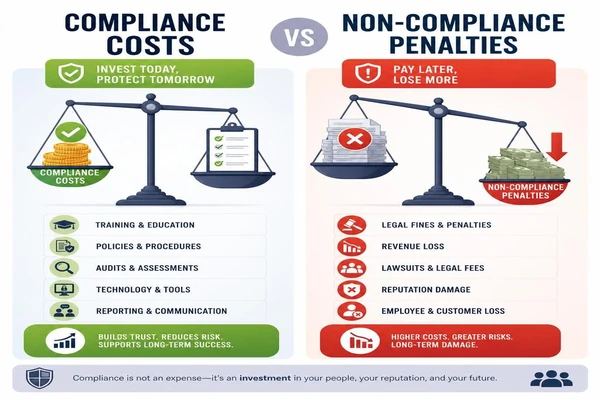
The principle of comprehensive legal protection extends beyond the workplace. Just as individuals seek robust Child car seat legal protection to safeguard their loved ones, organizations must adopt an equally vigilant approach to safeguarding their operations and personnel. This includes addressing corporate travel safety, ensuring fleet liability compliance, and implementing measures to protect all individuals associated with the business. Proactive legal protection, whether for personal safety or corporate compliance, is an investment that prevents far greater losses.
Frequently Asked Questions about Workplace ComplianceWhat are the primary employer responsibilities under Florida workers’ compensation law?
In Florida, employers have several key responsibilities under workers’ compensation law. If an employer has four or more employees (including administrative and corporate staff, whether full-time or part-time), they are generally required to carry workers’ compensation insurance. For construction industry employers, this threshold applies even with just one employee. Key responsibilities include:
- Obtaining Coverage: Employers must secure workers’ compensation coverage through a licensed private insurer, qualify for self-insurance (which requires a substantial net worth and approval from the Florida Department of Financial Services, Division of Workers’ Compensation), or participate in an approved self-insuring group.
- Injury Reporting: Employers must report injuries requiring medical attention to their insurance carrier within seven days of being notified by the employee. Work-related fatalities must be reported to the Division of Workers’ Compensation within 24 hours.
- Record-Keeping: Detailed records of employment, finances, salaries, taxes, and insurance status must be maintained for at least three calendar years.
- Notice Posting: A compliant notice, provided by the insurance carrier, must be prominently displayed in the workplace, informing employees of their rights and the insurance carrier’s information.
Failing to meet these obligations can result in significant penalties and loss of workers’ compensation immunity.
How does employee compliance differ from visitor compliance?
While both employee and visitor compliance aim to ensure adherence to rules and maintain safety, their scope and implementation differ significantly:
- Employee Compliance: This is an ongoing, in-depth effort. It involves continuous training on a wide range of policies (e.g., HR, safety, data privacy, ethics), regular monitoring of behavior, and enforcement of internal access control. Employees are expected to understand and abide by all company policies as a condition of their employment, and their compliance is often tracked through acknowledgments, performance reviews, and ongoing education.
- Visitor Compliance: This is typically temporary and focused on immediate safety, security, and data protection during a visitor’s presence on premises. It primarily involves pre-entry screening (e.g., identity verification, health questionnaires), temporary access credentials, and adherence to short-term safety protocols (e.g., emergency evacuation routes, restricted area access). Visitor management systems are crucial tools here, facilitating efficient check-ins, tracking visitor movements, and ensuring that visitors are aware of essential safety and security guidelines for the duration of their visit.
Employee compliance is about integrating regulations into daily operations and culture, whereas visitor compliance is about managing transient risk and ensuring temporary adherence to critical safety and security measures.
What steps should Florida employers take to stay updated on changing labor regulations?
Staying current with the ever-evolving landscape of labor laws is a continuous challenge for Florida employers, particularly those operating in multiple locations like Clearwater or Largo. Proactive strategies are essential:
- Subscribe to Legal Updates: Sign up for newsletters and alerts from reputable legal firms specializing in employment law, HR associations, and government agencies (like the DOL and Florida Department of Economic Opportunity).
- Conduct Regular Legal Audits: Periodically engage legal counsel to conduct comprehensive audits of your policies, procedures, and practices. This helps identify areas of non-compliance before they become problematic.
- Invest in Regulatory Tracking Tools: Utilize HR compliance software or platforms that automatically track changes in federal and state labor laws. Some tools even provide updated policy templates and handbooks.
- Consult Professional Counsel: Establish a relationship with experienced employment attorneys. They can provide guidance on complex issues, interpret new legislation, and help tailor compliance strategies to your specific business needs. This is particularly important when dealing with nuanced areas like worker classification or new pay transparency laws.
- Participate in Industry Associations: Many industry-specific associations offer resources, webinars, and forums where members can discuss regulatory changes and share best practices.
By adopting these steps, Florida employers can build a robust system for monitoring and adapting to changing labor regulations, minimizing their risk exposure.
Conclusion
In the dynamic business environment of June 2026, embracing comprehensive workplace compliance and legal protection is no longer optional-it is a strategic imperative. From safeguarding employee rights and ensuring a safe working environment to protecting sensitive data and upholding ethical standards, every aspect of an organization’s operations is touched by regulatory requirements.
We have explored the intricate web of federal and Florida labor laws, the critical role of OSHA in workplace safety, and the severe financial and reputational consequences that stem from non-compliance. We’ve also highlighted the importance of cultivating a robust compliance culture, where proactive measures, clear policies, continuous training, and effective complaint handling mechanisms are paramount.
A commitment to proactive compliance is an investment in your organization’s future. It reduces legal and financial risks, fosters a positive and productive work environment, enhances corporate integrity, and ensures the well-being of your most valuable asset: your people. By prioritizing workplace compliance, businesses not only fulfill their legal obligations but also build a foundation of trust and resilience that drives long-term success.