

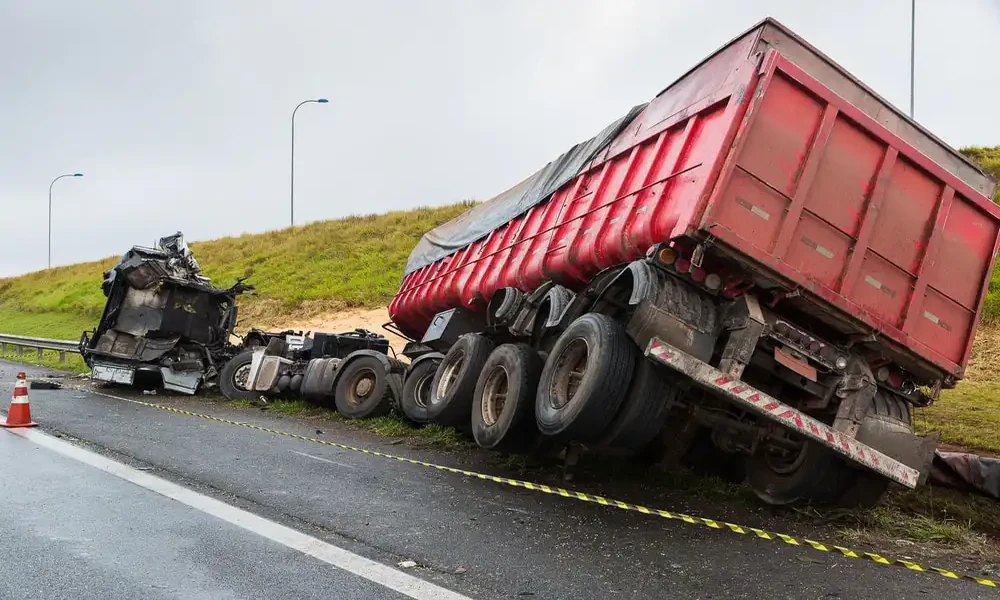
A crash with a large commercial truck rarely plays out like a regular car accident. Bigger vehicles bring bigger insurance fights, more paperwork, and more people trying to dodge blame. If you got hurt in one of these wrecks, finding truck accident legal help early can change how the whole case turns out.
Semi trucks, delivery rigs, box trucks, and tractor trailers do not follow the same rules as ordinary passenger cars. Drivers and the companies that run them answer to federal safety standards on top of regular state traffic laws. That extra layer of rules changes how a case gets built from the very first phone call.
Truck wrecks tend to come from a small set of causes that repeat again and again. Driver fatigue after long shifts, poorly secured cargo that shifts during a turn, worn brakes that were never fixed, and drivers who follow too closely in bad weather all show up constantly in crash reports. Spotting which one truly applies to a specific wreck is often the first real step toward building a strong claim.
How These Cases Differ From Regular Car Wrecks
A normal car accident usually involves two drivers and two insurance policies. A truck wreck is rarely that simple. The company that owns the truck, the business that leased it, the contractor who loaded the cargo, and even the shop that last serviced the brakes can all end up named in the same claim.
Insurance gets more complicated too. Trucking companies often carry primary coverage plus extra layers on top of that, sometimes called excess or umbrella policies. Sorting out which policy pays, and how much, takes real digging through paperwork that most drivers never see.
Who Can Be Held Responsible
Responsibility after a truck wreck can spread across several parties, not just the person behind the wheel.
The trucking company itself carries a lot of weight in these cases. If it hired a driver with a bad record, skipped required inspections, or pushed drivers to skip rest breaks, that behavior can support a claim against the company directly, separate from anything the driver did.
Third parties matter too. A business that packed the trailer improperly, a repair shop that missed a brake problem, or a manufacturer that sold a defective part can all share the blame when their mistake helped cause the wreck.
The Evidence That Actually Wins These Cases
Police reports and photos help, but the evidence that decides most truck accident claims comes from the truck itself.
- Event data recorder information, often called black box data, which records speed and braking in the seconds before impact
- Electronic logging device records that show how many hours the driver had already worked
- Driver qualification files covering licensing, training, and past violations
- Maintenance and inspection logs showing whether the truck met safety standards
- Dispatch records and onboard camera footage that may capture what happened before the crash
None of this shows up in a standard police report. Getting it usually requires a formal legal request, and trucking companies are almost never required to hand any of it over on their own.
Why Speed Matters After The Crash
Trucking companies do not wait around after a wreck. Many send investigators to the scene within hours to start building their side of the story before the injured person has even left the hospital.
Meanwhile, useful evidence can disappear fast. Logging device data gets overwritten on a routine schedule. Camera footage gets deleted once storage fills up. Federal hours of service rules limit how long a driver can stay on the road without rest, and violations of those limits are exactly the kind of detail that gets lost if nobody asks for it in time.
A written request asking the carrier to preserve records, sent within the first days after a crash, can stop that information from vanishing.
Fault And Compensation
Most states reduce a settlement based on how much fault a person shares in the crash. If a driver is found partly responsible, say twenty percent, the final payout usually drops by that same percentage. That makes clear evidence about who did what before the crash extremely valuable.
Damages in these cases usually fall into two buckets. Economic losses cover medical bills, lost income, and future treatment costs. Non economic losses cover pain, lost mobility, and the toll an injury takes on daily life. Some injuries from truck wrecks also come with long recovery timelines, which means future costs often end up being the biggest part of the whole claim. Federal trucking safety regulations set the baseline that carriers are supposed to follow, and proven violations of those rules often strengthen a claim significantly. A driver who was speeding, texting, or ignoring a mandatory rest break gives an injured person a much stronger position at the negotiating table.
Getting Started
Filing a claim usually starts with pulling together the police report, medical records, and any insurance information already on hand. From there, a lawyer typically sends preservation letters to the carrier and its insurer, then digs into the records that come back.
These cases often take longer than a typical car accident claim because more parties and more paperwork get involved. Most still settle before trial, but strong preparation tends to push insurers toward fairer offers. Working with someone who already understands trucking regulations and knows what records to chase down usually saves time and prevents an insurer from settling the claim for far less than it is actually worth.
Frequently Asked Questions
Does health insurance cover treatment while a claim is pending?
Usually yes. Health insurance typically pays for treatment during the process, though the insurer may later claim back some of that money from a settlement through what is called a subrogation lien.
What if the truck was registered in a different state?
The physical location of the crash generally decides which state laws apply, not where the truck itself happens to be registered.
What happens if a company destroys records after a request to preserve them?
Courts can penalize that behavior. In many cases, a jury gets allowed to assume the missing evidence would have hurt the company’s side of the story.
Is it worth talking to a lawyer if the insurer already made an offer?
Early offers rarely account for future medical costs or long term effects of an injury. A quick review before accepting anything can reveal whether that number truly covers the full picture.